Aztec Geometric Rug Pattern
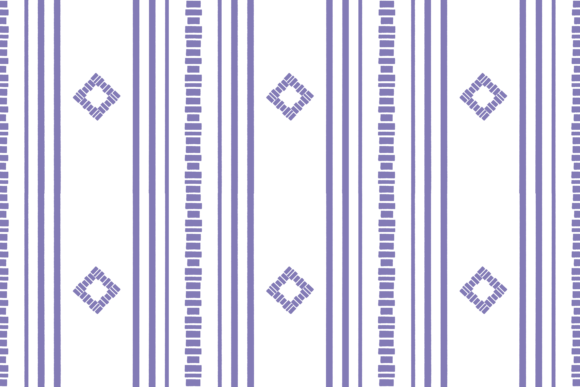
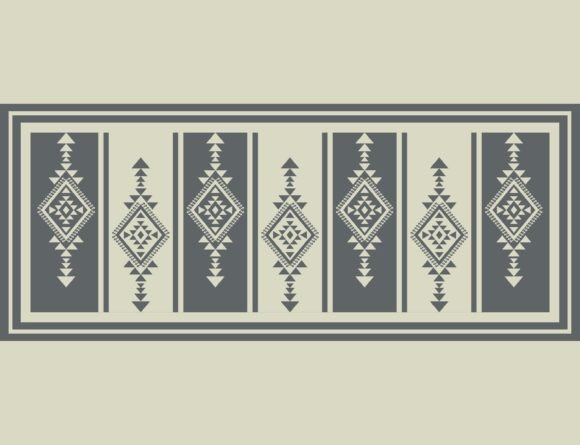
The Aztec geometric rug pattern is a striking design that draws from the rich cultural heritage of ancient Mesoamerican art. Characterized by bold, symmetrical shapes and intricate line work, this style offers a powerful visual language that can be adapted across various creative fields. Its clean lines and monochrome aesthetic make it highly versatile, allowing for seamless integration into textiles, home décor, and artistic projects.
What makes the Aztec geometric rug pattern particularly appealing is its ability to convey both historical significance and modern sophistication. The repetition of geometric forms—such as triangles, diamonds, and zigzags—creates a sense of rhythm and balance that can enhance any space or design. This pattern is not just a decorative element; it's a statement of cultural appreciation and artistic expression.
Exploring Creative Possibilities
Designers, artists, and creators can find endless inspiration in the Aztec geometric rug pattern. Whether working with traditional materials or digital tools, this style provides a foundation for experimentation. For instance, textile artists might use the pattern as a base for weaving, while graphic designers could adapt it for branding or packaging concepts.
One practical approach is to combine the Aztec geometric rug pattern with other cultural motifs. This fusion can lead to unique, layered designs that reflect a blend of traditions. However, it’s important to approach such combinations with respect and awareness of the cultural context behind the original patterns.
For those interested in interior design, the Aztec geometric rug pattern can serve as a focal point in a room. Placed in a living area or entryway, it adds visual interest without overwhelming the space. When paired with neutral tones or complementary colors, the pattern can create a balanced and harmonious look.
Applications Across Different Mediums
The Aztec geometric rug pattern is not limited to rugs alone. It can be applied to a wide range of mediums, including carpets, tapestries, and runners. Each application offers different opportunities for creativity and functionality. For example, a carpet featuring this pattern can add texture and depth to a floor, while a tapestry can become a statement piece on a wall.
Textile borders are another popular use for the Aztec geometric rug pattern. These borders can frame a larger design or provide a subtle accent to a piece of fabric. When used in runners, the pattern can guide the eye through a space, creating a sense of movement and flow.
For digital creators, the Aztec geometric rug pattern can be adapted into vector graphics or high-resolution images. File formats like EPS and JPG allow for flexibility in scaling and usage. With dimensions of 8000 x 3267 pixels, these files are ideal for both print and digital applications, ensuring clarity and detail at any size.
Adapting the Pattern for Different Goals
Depending on the user’s goals, the Aztec geometric rug pattern can be modified to suit various audiences and contexts. A small business owner looking to create custom home décor might simplify the pattern to fit a minimalist aesthetic. On the other hand, an artist seeking to make a bold statement could emphasize the complexity and detail of the design.
Marketers and content creators can also leverage the Aztec geometric rug pattern in their campaigns. Whether used as a background in social media posts or as part of a brand identity, the pattern can help establish a unique visual presence. Its monochrome nature allows for easy integration with other branding elements, making it a versatile choice.
Educators and hobbyists may find value in studying the Aztec geometric rug pattern as a way to explore cultural history and design principles. By analyzing the structure and symbolism of the pattern, learners can gain a deeper understanding of how geometry and culture intersect in art and design.
Practical Tips for Using the Pattern
To ensure the Aztec geometric rug pattern remains effective and audience-friendly, consider the following tips:
- Balance complexity with simplicity: Avoid overcrowding the design with too many elements. Let the geometric shapes speak for themselves.
- Use consistent color schemes: Monochrome or limited color palettes can enhance the clarity and impact of the pattern.
- Consider scale and proportion: Ensure the pattern is appropriately sized for its intended use, whether it’s a large rug or a small accessory.
- Respect cultural origins: When incorporating the pattern into new designs, acknowledge its roots and avoid misrepresentation.
By applying these principles, users can create designs that are both visually compelling and culturally respectful. The Aztec geometric rug pattern offers a powerful tool for creative expression, provided it is used thoughtfully and intentionally.
Final Thoughts
The Aztec geometric rug pattern is more than just a design trend—it’s a reflection of history, culture, and artistic innovation. Its enduring appeal lies in its ability to connect the past with the present, offering a timeless aesthetic that can be adapted to modern needs. Whether used in home décor, textiles, or digital media, this pattern has the potential to inspire and elevate any project.
For those looking to explore new creative directions, the Aztec geometric rug pattern provides a solid foundation. With its clean lines, structured forms, and cultural significance, it’s a design choice that can bring both beauty and meaning to any space or medium.