Traditional Korean Hanok Gate Pattern: A Timeless Design for Modern Creativity
The Traditional Korean Hanok Gate Pattern is more than just an ornamental design—it’s a cultural symbol that embodies the elegance, harmony, and historical depth of Korean architecture. Rooted in the traditional hanok (Korean house), these gate patterns are characterized by their intricate geometric motifs, symmetry, and use of natural materials. Today, they are being reimagined as versatile design elements suitable for a wide range of applications—from fabric prints and invitations to merchandise and digital illustrations.
As the global design industry continues to embrace culturally rich and historically significant aesthetics, the Traditional Korean Hanok Gate Pattern has emerged as a compelling choice for creators seeking authenticity and visual appeal. Its adaptability makes it ideal for both digital and physical mediums, offering a seamless blend of tradition and modernity.
Understanding the Traditional Korean Hanok Gate Pattern
The hanok is a unique architectural style that reflects the Korean philosophy of living in harmony with nature. Central to this design is the hanok gate, which serves both functional and aesthetic purposes. These gates often feature elaborate carvings, wooden latticework, and symbolic motifs such as clouds, waves, and floral patterns.
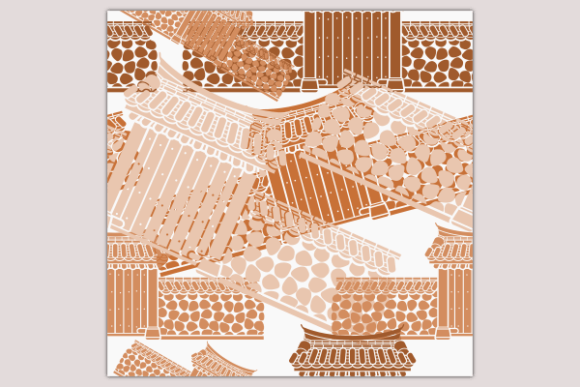
The Traditional Korean Hanok Gate Pattern captures the essence of these gates through its repetitive, symmetrical design. It typically includes elements like curved eaves, diamond-shaped lattice, and stylized plant forms. This pattern is not only visually striking but also deeply rooted in Korean culture, making it a powerful tool for storytelling and cultural expression.
By using an editable SVG vector of the Traditional Korean Hanok Gate Pattern, designers can easily customize and integrate these motifs into their projects without losing quality or detail. This flexibility is especially valuable for those working in graphic design, textile production, and digital illustration.
Relevance in the Modern Creative Industry
In today’s design landscape, there is a growing demand for culturally inspired and sustainable design elements. The Traditional Korean Hanok Gate Pattern aligns perfectly with this trend, offering a way to incorporate heritage into contemporary design while maintaining visual sophistication.
For professionals in fields such as fashion, interior design, and branding, this pattern provides a unique opportunity to create products that resonate with audiences who value authenticity and craftsmanship. Whether used as a background for a wedding invitation or as a decorative element on a T-shirt, the Traditional Korean Hanok Gate Pattern adds a touch of elegance and cultural significance.
Moreover, the rise of digital tools like Inkscape has made it easier than ever to edit and manipulate these patterns. With Inkscape, users can adjust colors, scale designs, and combine them with other graphics to suit specific creative needs. This accessibility ensures that even those without advanced design skills can leverage the beauty of the Traditional Korean Hanok Gate Pattern.
Why the Traditional Korean Hanok Gate Pattern is Gaining Attention
One reason the Traditional Korean Hanok Gate Pattern is gaining popularity is its ability to bridge the gap between tradition and innovation. As consumers become more conscious of the cultural origins of the products they purchase, there is a greater appreciation for designs that reflect history and craftsmanship.
This pattern also appeals to a younger generation of creatives who are looking for ways to express their identity and values through design. By incorporating elements of Korean heritage, designers can create work that feels both modern and meaningful. This is particularly relevant in industries like fashion, where cultural references are often used to tell a story and connect with diverse audiences.
Additionally, the Traditional Korean Hanok Gate Pattern is well-suited for a variety of applications, from textiles and packaging to digital marketing materials. Its versatility allows it to be adapted to different scales and formats, making it a valuable asset for entrepreneurs and small businesses looking to stand out in a competitive market.
Practical Applications and Examples
Consider a boutique clothing brand that wants to launch a line inspired by Korean culture. By using the Traditional Korean Hanok Gate Pattern as a print on fabrics, they can create a collection that feels authentic and visually captivating. Similarly, a designer creating wedding invitations might use this pattern as a background to add a sense of tradition and refinement to their work.
Another example is the use of this pattern in digital illustrations for branding or advertising. Companies that want to convey a sense of heritage and sophistication can incorporate the Traditional Korean Hanok Gate Pattern into their logos, banners, or social media graphics. This not only enhances the visual appeal of their materials but also helps to establish a deeper connection with their audience.
For educators and cultural institutions, the Traditional Korean Hanok Gate Pattern can serve as a teaching tool. By integrating it into educational content or museum exhibits, they can help audiences understand the significance of Korean architecture and design in a more engaging and interactive way.
Connecting to Broader Trends and Developments
The increasing interest in the Traditional Korean Hanok Gate Pattern reflects broader shifts in the creative and commercial industries. There is a growing emphasis on sustainability, cultural preservation, and personalized design—areas where this pattern can make a meaningful contribution.
As technology continues to evolve, the ability to create and share high-quality design assets has never been easier. The availability of EPS, PDF, and high-resolution PNG files alongside editable SVG vectors ensures that the Traditional Korean Hanok Gate Pattern can be used across multiple platforms and mediums. This accessibility supports a more inclusive and dynamic creative ecosystem.
Furthermore, the global fascination with Korean culture—driven by K-pop, K-dramas, and Korean cuisine—has created a fertile ground for the adoption of traditional design elements. The Traditional Korean Hanok Gate Pattern is a natural extension of this cultural phenomenon, offering a way to celebrate and explore Korean heritage in new and innovative ways.
Conclusion
The Traditional Korean Hanok Gate Pattern represents a powerful intersection of tradition, artistry, and modern design. Its intricate details, cultural significance, and adaptability make it an invaluable resource for professionals and enthusiasts alike. Whether used in textiles, digital illustrations, or branding materials, this pattern offers a unique way to connect with audiences and express creativity with purpose.
As the design world continues to evolve, the Traditional Korean Hanok Gate Pattern stands as a testament to the enduring beauty of Korean heritage. By embracing this pattern, creators can not only enhance their work but also contribute to a more culturally rich and visually diverse design landscape.