Vintage Design Element Vector Bundle: A Practical Guide for Creative Integration
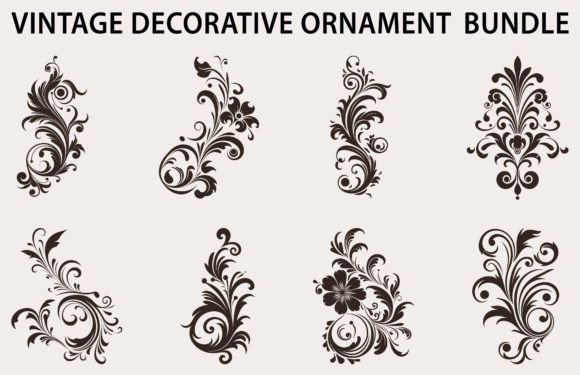
The Vintage Design Element Vector Bundle offers a curated collection of ornamental and typographic vector graphics that evoke the charm of bygone eras. These digital assets are ideal for designers, educators, entrepreneurs, and creators who seek to add a timeless aesthetic to their projects. With 8 EPS files, 8 SVG files, 8 JPG files, and 8 PNG files included in the ZIP download, each clipart is saved separately for ease of use. This allows users to quickly access individual elements without unnecessary complexity.
Understanding the Vintage Typographic Design Element Vector Bundle
This bundle specifically includes calligraphic vector decorative ornament elements. These designs are crafted with attention to detail and authenticity, making them suitable for both traditional and modern applications. Whether you're designing an invitation, educational material, or a printed product, these vintage-style vectors provide a refined look that can enhance visual appeal while maintaining a professional standard.
What You Get and How It Works
Upon downloading the ZIP file, you’ll receive a set of high-quality files in multiple formats—EPS, SVG, JPG, and PNG. The transparent background on PNG files is especially useful when layering or blending elements into different color schemes or backgrounds. Each design is isolated, which means there’s no need to extract or manipulate layers within a single file; instead, you can choose exactly what you need for your project.
Pre-Project Planning and Preparation
Before diving into any creative endeavor, it's essential to plan how design elements will be integrated. The Vintage Design Element Vector Bundle fits well into this phase as a resource to establish a cohesive theme. For example, if you're preparing a line of wedding invitations, you might review the elements in the bundle to determine which ones align best with the event’s overall style and tone.
- Theme alignment: Select elements that match the historical or stylistic inspiration of your project (e.g., Art Nouveau, Victorian, or Retro).
- Format compatibility: Consider which file types work best with your tools. SVG and EPS are preferred for scalable editing in Adobe Illustrator or Inkscape, while PNGs and JPGs suit quick-use platforms like Canva or Photoshop.
- Asset organization: Extract all files from the ZIP and sort them into folders based on type (ornaments, typography) or intended use (print vs. digital).
During the Creative Process
Once your project is underway, the Vintage Design Element Vector Bundle becomes a valuable toolkit. These assets can be used to accentuate headers, frame illustrations, or create intricate borders around content. Their versatility makes them adaptable across a wide range of mediums and industries.
Use Cases Across Industries
Here are some practical scenarios where these vintage vectors can be applied during the creation process:
- Digital products: Use SVG or EPS files to design app icons, web banners, or social media templates that feature classic aesthetics.
- Invitations and stationery: Add ornate flourishes to formal event invites using PNGs with transparent backgrounds for layered effects.
- Teaching resources: Incorporate vintage typographic elements into worksheets, flashcards, or educational posters to make learning materials visually engaging.
- Printed products: Apply the vector files to brochures, packaging, or branding materials for a nostalgic touch that stands out in print quality.
- Sticker sheets: Arrange multiple PNGs on a single sheet to create printable stickers for personal or commercial use.
- Embroidery designs: Convert compatible vector files into embroidery patterns for textiles, home décor, or fashion items.
Workflow Examples
Imagine you're creating a vintage-themed blog post template. Here’s how the Vintage Design Element Vector Bundle might fit into your workflow:
- Extract all PNGs and open them in your graphic design software.
- Select 2–3 border elements and place them around the text block to frame the content.
- Add a vintage-style header element above the title to reinforce the theme.
- Export the final layout in a format suitable for web publishing, such as JPG or PNG.
Another scenario could involve an educator creating classroom posters. They might import the EPS files into Adobe Illustrator to customize the size and color before printing on cardstock for durability.
Post-Creation Adjustments and Optimization
After completing a design, it's important to ensure the vintage elements blend seamlessly with other components. This may involve adjusting colors, scaling elements to maintain clarity, or optimizing file sizes for digital distribution.
- Color matching: If the default colors don’t fit your palette, use vector-based tools to recolor the elements easily.
- Scaling without loss: EPS and SVG files allow for infinite resizing without pixelation, so they’re perfect for large-format prints or small-scale digital assets.
- File optimization: When exporting PNG or JPG versions, compress images appropriately to reduce load times for online use.
Quality Control and Consistency
To maintain consistency across multiple designs, consider setting up a library of commonly used vintage elements. This helps avoid repeated downloads and streamlines future projects. Also, always test how the elements appear in both digital and print formats, ensuring they retain their clarity and visual impact.
Integration with Other Tools and Resources
The Vintage Design Element Vector Bundle works well alongside various design tools and methods. Its compatibility with programs like Adobe Illustrator, Photoshop, Inkscape, and even drag-and-drop editors like Canva makes it accessible to both advanced users and beginners. Additionally, because the elements are transparent and scalable, they integrate smoothly with custom illustrations, photographs, or brand logos.
When working in teams or collaborating on projects, sharing the ZIP file ensures everyone has access to the same high-quality assets. Version control becomes simpler when you store the original vector files in cloud-based systems like Google Drive or Dropbox.
Long-Term Use and Asset Management
For professionals and hobbyists alike, long-term usability of design assets is crucial. The Vintage Design Element Vector Bundle supports this through its variety of file types and clean, modular structure. Over time, you can build a reusable archive of vintage elements tailored to specific niches or client preferences.
Organizing your assets with clear naming conventions and folder structures improves efficiency. For instance, you might label files like “vintage-border-01.eps” or “calligraphy-header-05.png” to help locate them quickly. This practice is especially beneficial when managing large design libraries or revisiting old projects.
Practical Tips for Storage and Reuse
- Create a dedicated folder for vintage assets and subfolders by category (e.g., borders, headers, monograms).
- Name files descriptively to reflect their function or style.
- Backup the original ZIP file periodically to preserve all versions and prevent data loss.
- Use asset management software or platforms like Adobe Bridge to catalog and tag your vintage elements.
Real-World Outcomes and Use Case Variations
Successful integration of the Vintage Design Element Vector Bundle often leads to enhanced visual storytelling. A blogger, for example, might use these elements to distinguish headings in a series of posts about historical events, adding depth and context through design. Similarly, a small business owner launching a retro-themed product line could incorporate the vectors into packaging, signage, and promotional materials for brand cohesion.
Marketers and publishers also benefit from these elements when crafting campaigns or content calendars that require consistent visual motifs. By embedding vintage design elements early in the planning stage, they can maintain thematic continuity across all channels—from email newsletters to print ads.
Customization for Unique Projects
Because the elements are vector-based, they can be edited to suit unique needs. You might combine two or more elements to create a new design, or adjust stroke weights and outlines to better match your artwork. This adaptability is key for freelancers and entrepreneurs who want to offer personalized services or products.
Compatibility and Technical Considerations
Ensuring that the Vintage Design Element Vector Bundle works well within your existing toolset requires some basic technical knowledge. Most vector formats like EPS and SVG are editable in Adobe Illustrator or similar software, but if you're not familiar with these programs, you can still use the PNG and JPG versions effectively in raster-based workflows.
If you plan to use these elements in embroidery or laser cutting, verify whether your software supports the conversion of vector paths into stitch or cut lines. Some formats may require additional processing steps before being usable in specialized manufacturing tools.
Efficiency and Time-Saving Strategies
One of the main advantages of using the Vintage Design Element Vector Bundle is the speed at which you can enhance your work. Instead of spending hours creating ornamental details from scratch, you can focus on refining the core message or layout. This efficiency is particularly beneficial in fast-paced environments where meeting deadlines is critical.
Freelancers can streamline their workflow by pre-selecting favorite elements and saving them in a personal design library. This reduces decision fatigue and speeds up the design phase when new projects come in. Similarly, educators can batch-create themed teaching materials by applying the same vintage elements consistently across multiple documents.
Conclusion
The Vintage Design Element Vector Bundle is more than just a set of decorative graphics—it’s a flexible and reliable resource for anyone involved in design, education, marketing, or product development. By understanding how to plan, implement, and organize these assets, you can elevate your creative output without sacrificing time or quality. Whether you're enhancing a digital brochure, crafting a vintage-inspired logo, or designing embroidered merchandise, these elements provide the foundation for elegant and effective visual communication.