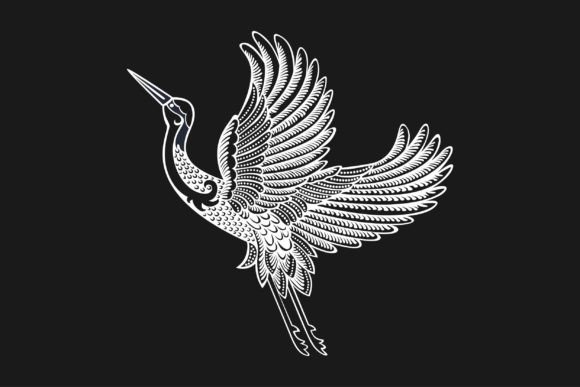
Understanding Vector Images and Swan Flying Icon Decorative Illustrations
Vector images have become a cornerstone in the world of digital design, offering clarity, flexibility, and scalability that raster images simply can't match. One popular application of vector graphics is in decorative illustrations such as the swan flying icon, which combines artistry with functionality. In this article, we'll explore what vector images are, why they're important, and how a swan flying icon exemplifies their beauty and utility in modern contexts.
What Are Vector Images?
A vector image is created using mathematical equations to define points, lines, curves, and shapes. Unlike raster images (like JPEGs or PNGs), which are made up of pixels, vector images are resolution-independent. This means they can be scaled up or down without losing quality — a feature that makes them ideal for logos, icons, and other designs that need to look sharp at any size.
The most common file formats for vector images include:
- SVG (Scalable Vector Graphics): A web-friendly format supported by all modern browsers.
- EPS (Encapsulated PostScript): Often used in professional print design.
- AI (Adobe Illustrator): Native to Adobe's illustration software.
- DXF (Drawing Exchange Format): Popular in engineering and architectural fields.
How Do Vector Images Work?
At their core, vector images are built from paths — these are outlines defined by anchor points and Bézier curves. Each path has properties like stroke width, color, and fill, allowing for intricate designs with minimal data. Because they’re based on geometry rather than fixed pixels, vector graphics maintain crisp edges and clean lines no matter the scale.
Why Use Vector Images?
There are several reasons why vector images are preferred in many industries and creative projects:
- Scalability: You can resize a vector graphic without degradation in quality, making it perfect for both tiny app icons and massive billboards.
- Smaller File Sizes: Vector files tend to be smaller compared to high-resolution raster images, especially when dealing with simple shapes and colors.
- Editable Elements: Each component of a vector image can be individually edited, making revisions easier and more efficient.
- Print and Digital Versatility: Vectors work seamlessly across both digital screens and printed materials, ensuring consistent visual representation.
Common Uses of Vector Images
Vector images are widely used in various sectors including:
- Graphic Design: For creating logos, brochures, and branding materials.
- Web Development: To ensure fast-loading, responsive visuals on websites and apps.
- Advertising: For eye-catching posters and banners that maintain clarity at large sizes.
- Education: As interactive diagrams and infographics in digital learning tools.
- Technology: In user interface (UI) and user experience (UX) design for buttons, icons, and navigation elements.
The Swan Flying Icon: A Symbolic and Functional Example
One of the most elegant examples of a vector illustration is the swan flying icon. This symbol often represents grace, elegance, freedom, and transformation. It’s not just aesthetically pleasing but also carries deep cultural and emotional meaning in different parts of the world.
Designing a Swan Flying Icon in Vector Format
Creating a swan flying icon involves careful attention to form, motion, and symbolism. Designers typically use software like Adobe Illustrator or free tools such as Inkscape to craft the image. Here’s how it works:
- Sketching the Outline: The artist begins with a rough sketch of the swan in flight, focusing on its posture and movement.
- Tracing with Paths: Using vector tools, each part of the swan — from the body to the wings — is converted into paths. These paths are then refined to capture smooth, flowing lines.
- Applying Color and Texture: Fills and gradients are added to give depth and realism while keeping the file lightweight.
- Optimizing for Use: The final vector image is optimized for specific applications, whether it’s for a website header, mobile app, or print material.
Because the swan is often associated with peace and serenity, this icon can be used in wellness brands, travel agencies, or even personal portfolios to evoke a sense of calm and inspiration.
Decorative Vector Image Illustrations in Modern Life
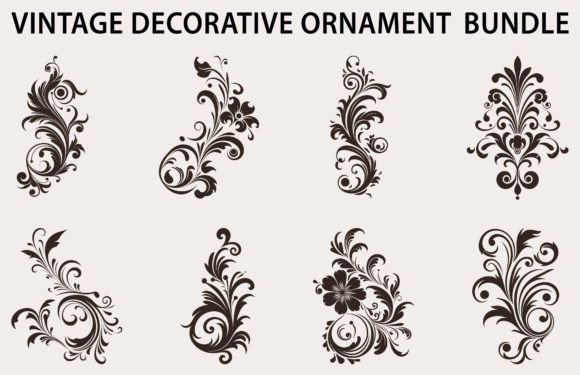
Decorative vector illustrations like the swan flying icon are everywhere today. From social media posts to packaging designs, these images enhance visual storytelling and brand identity. Their adaptability allows them to fit perfectly into modern digital ecosystems where responsiveness and aesthetics are key.
Uses in Business and Branding
Businesses leverage decorative vector images to convey messages subtly yet powerfully. A swan flying icon might appear in a company’s logo if the brand values innovation and elegance. It could also be used in marketing materials to represent journeys, progress, or transcendence — all concepts tied to the imagery of flight.
For example, an airline might use a stylized swan as part of its branding to symbolize smooth, graceful travel. Similarly, a startup aiming for rapid growth may incorporate a flying swan in its promotional content to represent upward momentum and success.
Applications in Education and Creativity
In education, vector illustrations are used to create visually engaging content. A teacher designing a presentation about migration patterns might use a swan flying icon to represent the journey of birds across continents. The clarity and simplicity of vector graphics make complex ideas more digestible for students.
For creative professionals, vector-based illustrations open up a world of possibilities. They can be easily animated, layered, or modified to suit evolving project needs. A graphic designer working on a mobile app might use a swan flying icon as a loading animation or background motif to add a touch of sophistication.
Advantages of Decorative Vector Illustrations
Decorative vector illustrations bring unique benefits to the table. Here are some of the main advantages:
- Clean and Professional Look: Vector graphics allow for precise, polished designs that stand out in both digital and print formats.
- Easy to Modify: If a client wants a change to the swan’s wing position or color scheme, the designer can adjust individual elements without redrawing the whole image.
- Compatibility Across Platforms: Whether displayed on a smartphone, tablet, or desktop, vector images render consistently, preserving the intended design.
- Cost-Effective for Reuse: Once created, a vector illustration can be reused and repurposed across multiple platforms and formats without additional costs for redesigning.
Swan Flying Icon in Web and App Design
On the web, the swan flying icon can serve as a decorative element in headers, footers, or as part of a larger infographic. Its graceful form fits well with minimalist and nature-inspired design trends. In app design, it might function as a background element or even as an interactive button — for instance, representing a "Next" or "Continue" action in a travel-themed application.
Thanks to SVG support, the swan icon can also be embedded directly into HTML code, allowing for dynamic styling via CSS and interactivity using JavaScript. This makes it a powerful asset for developers who want to integrate beautiful, scalable artwork into their interfaces.
Debunking Common Misconceptions About Vector Images
Despite their popularity, there are still misconceptions surrounding vector images. Let’s clarify a few of them:
- Misconception 1: “Vectors are only for simple graphics.”
Reality: While vectors excel at line art and geometric designs, advanced tools allow for detailed, photorealistic illustrations as well. - Misconception 2: “Raster images always look better.”
Reality: Raster images can offer rich detail, but vectors are unmatched in terms of scalability and editability, especially for logos and icons. - Misconception 3: “Vector design is too technical for beginners.”
Reality: With the right tools and resources, anyone can learn the basics of vector illustration and start creating professional-quality designs.
When to Choose Vector Over Raster
While both image types have their place, vectors are the go-to choice when you need:
- Logos or brand assets that must remain clear at any size.
- Icons that will be used across devices and screen resolutions.
- Illustrations that require frequent editing or customization.
- High-quality prints for business cards, signage, or packaging.
How to Create and Use Vector Images Like the Swan Flying Icon
If you're interested in working with vector images, here are a few steps to get started:
- Choose the Right Software: Adobe Illustrator is the industry standard, but free tools like Inkscape or online platforms like Vectr are great for beginners.
- Learn the Basics of Path Tools: Understanding how to manipulate anchor points and curves is essential for drawing accurate shapes.
- Import or Draw Your Subject: Whether you’re using a photo reference or starting from scratch, trace your subject using vector tools to maintain precision.
- Export for Different Uses: Save your vector image in multiple formats (e.g., SVG, PNG, EPS) to ensure compatibility across platforms.
- Use in Projects: Incorporate your swan flying icon into websites, presentations, or marketing campaigns to elevate the visual appeal.
Once mastered, vector illustration becomes a versatile skill applicable to countless creative and commercial endeavors.
Where to Find High-Quality Vector Images
There are numerous platforms where you can find or purchase professionally designed vector images and icons:
- Flaticon – Offers thousands of icons, including decorative illustrations like swans in flight.
- SVGRepo – A collection of SVG files ready for download and use.
- Freepik – Provides free and premium vector graphics for various purposes.
- The Noun Project – Specializes in symbolic icons, including animal motifs.
These platforms cater to both casual users and professionals, offering everything from basic icons to full-color illustrations that can be customized for specific needs.
Conclusion: Embracing Vector Art in Everyday Design
Vector images, such as the swan flying icon, play a vital role in modern design. Their ability to maintain quality at any size, along with their adaptability and aesthetic appeal, makes them indispensable for businesses, educators, and creatives alike. By understanding the principles behind vector graphics and exploring their practical uses, you can unlock new ways to communicate visually in a variety of settings.
Whether you're designing a logo, developing a website, or crafting educational materials, incorporating vector-based illustrations can significantly enhance the professionalism and impact of your work. So next time you see a beautifully rendered swan in flight, consider the thoughtful design and technology behind it — and perhaps think about how you can use similar vector graphics to elevate your own projects.